Product Family Overview and Problem Statement
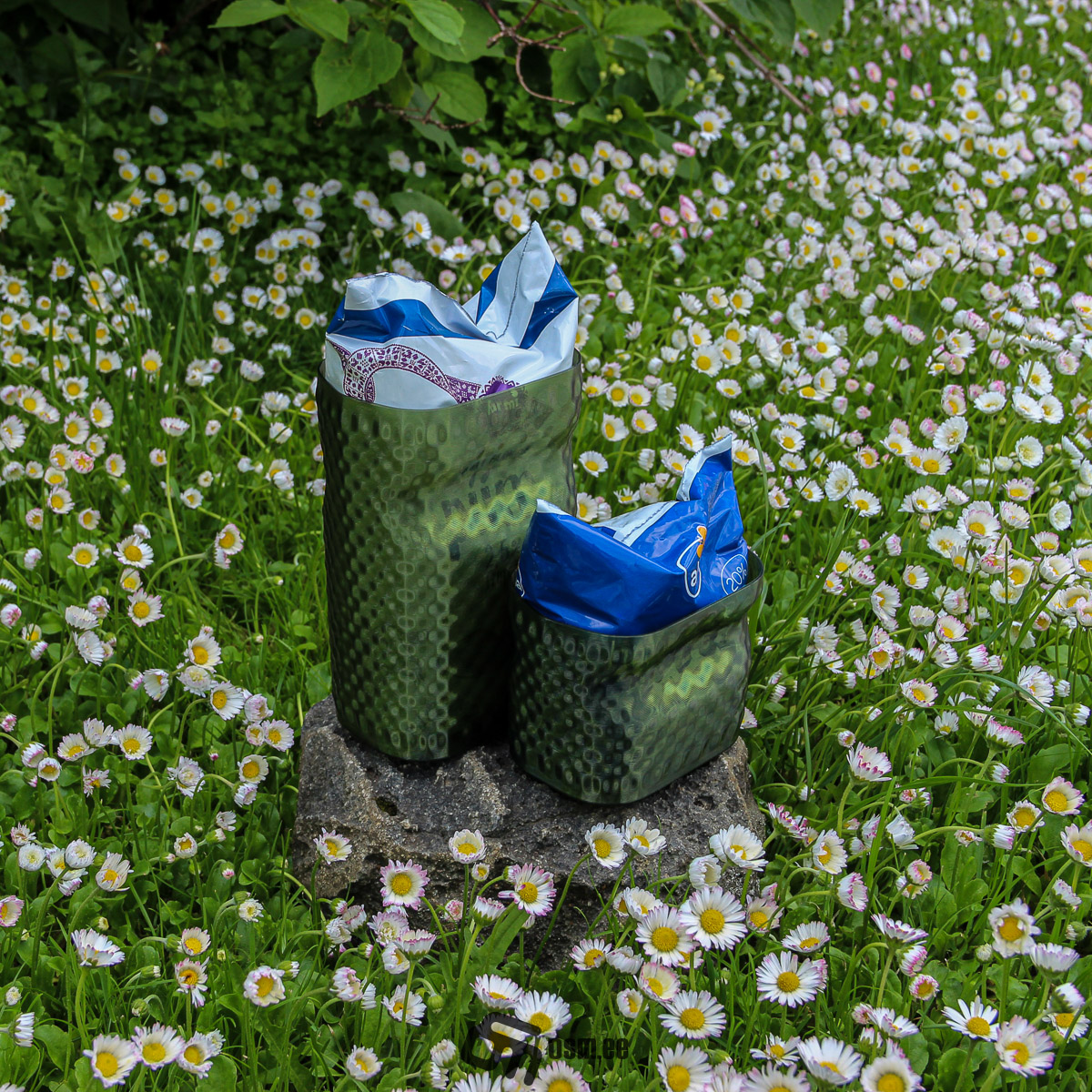
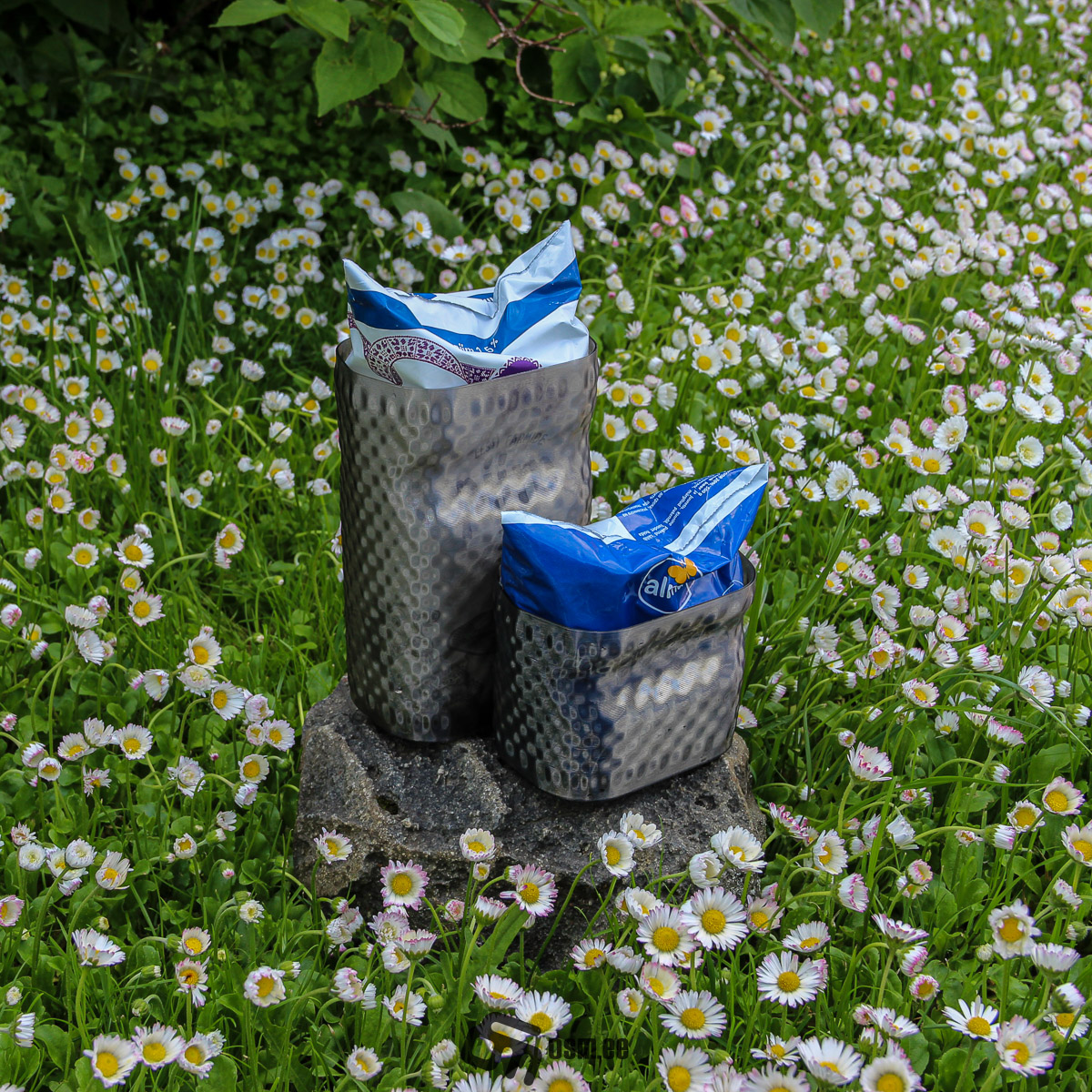
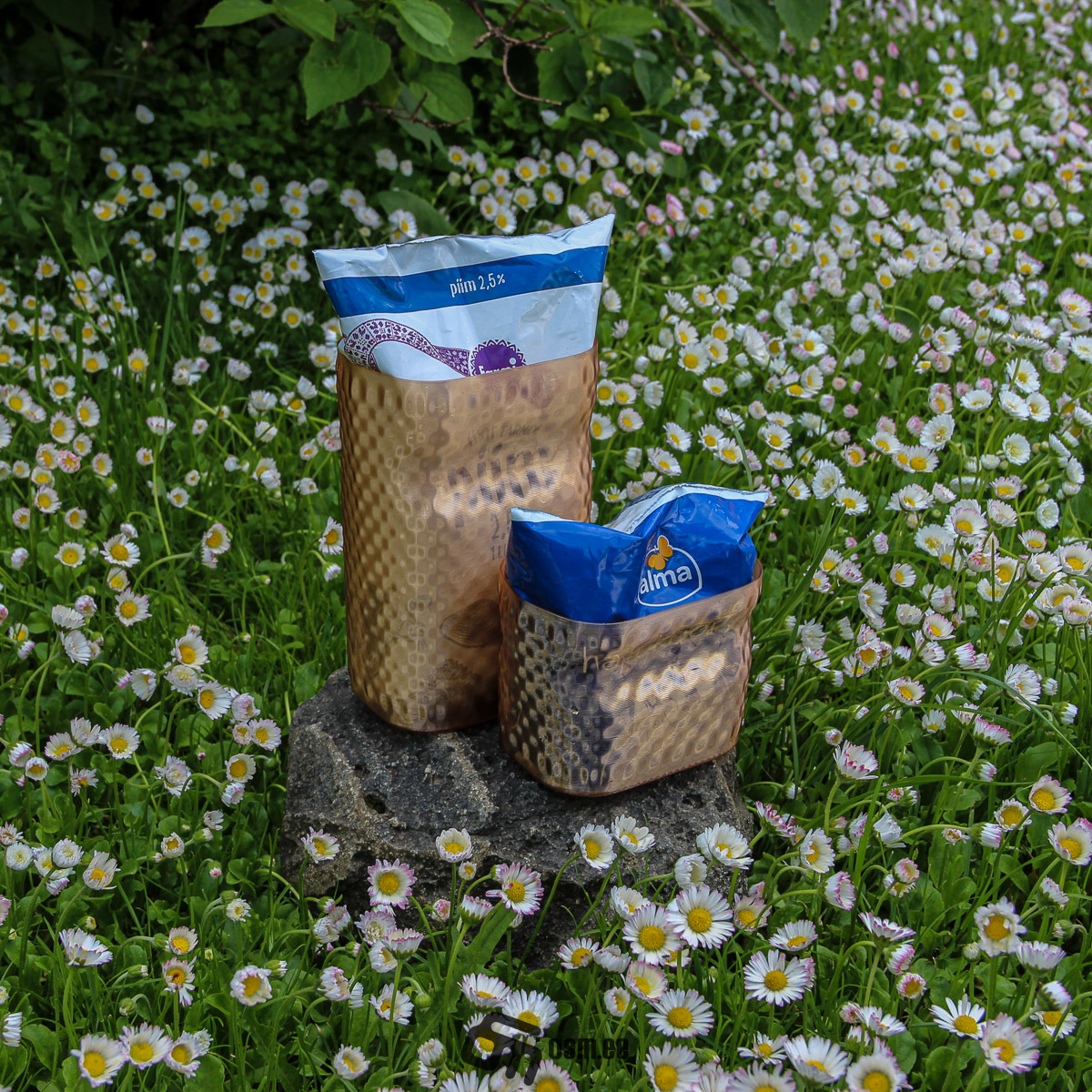
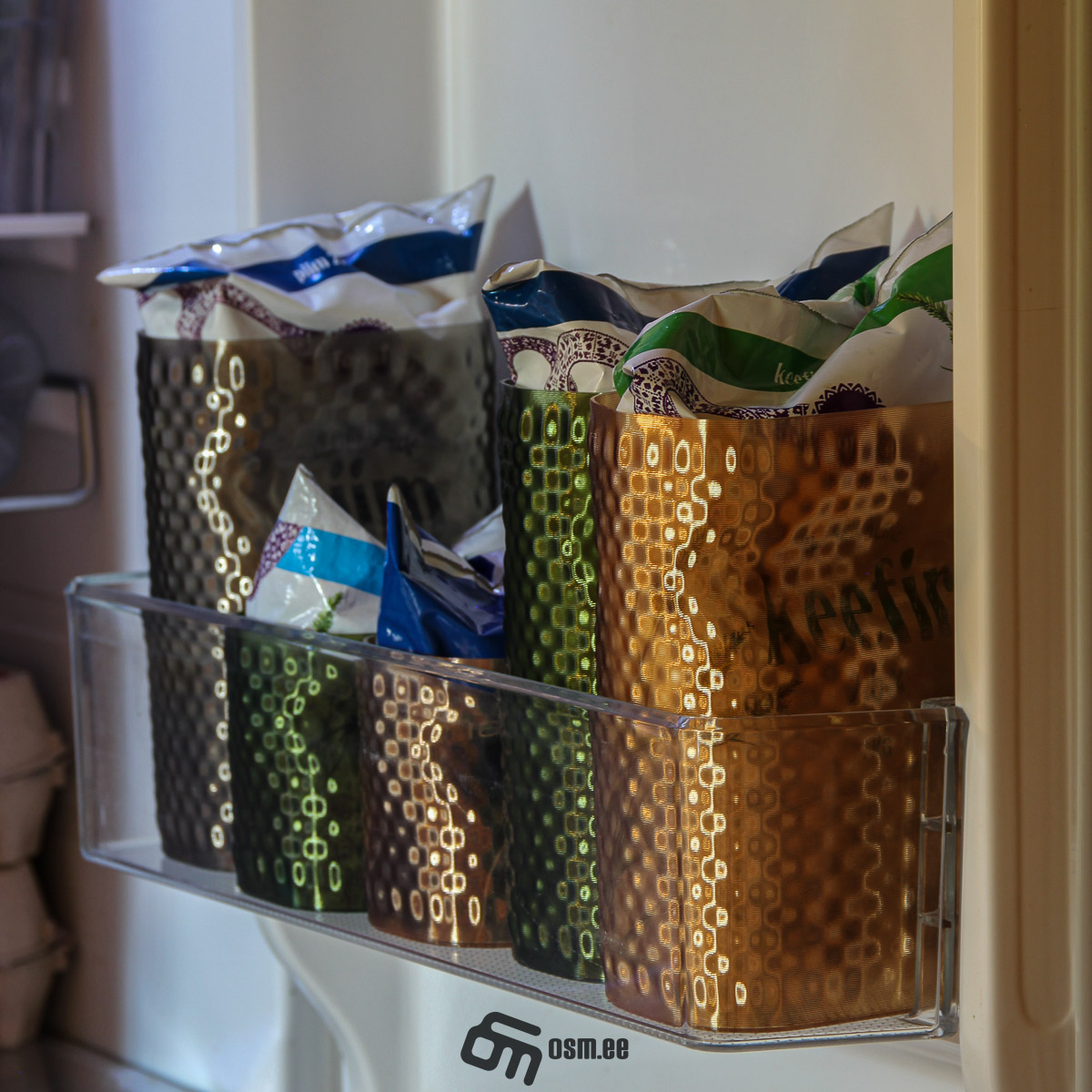
The design solution emerged from a direct, everyday necessity. Milk and sour cream products packaged in plastic pouches are more cost-effective for consumers and more sustainable for the environment, yet they are significantly less convenient to use. Until now, the market has lacked a product that is both highly functional and aesthetically pleasing enough to be left on the breakfast table. This product family fills the gap, consisting of a milk pouch holder (1L) and a sour cream pouch holder (500g).
- Functionality and Impact on Daily Life
The product makes using more affordable and eco-friendly pouch packaging just as convenient as traditional cardboard cartons. The holders allow flexible pouches to be placed directly onto refrigerator door shelves, where they stand upright and stable. This saves valuable fridge space, ensures cleanliness, and eliminates the risk of spills. - User-Friendliness and Universal Design
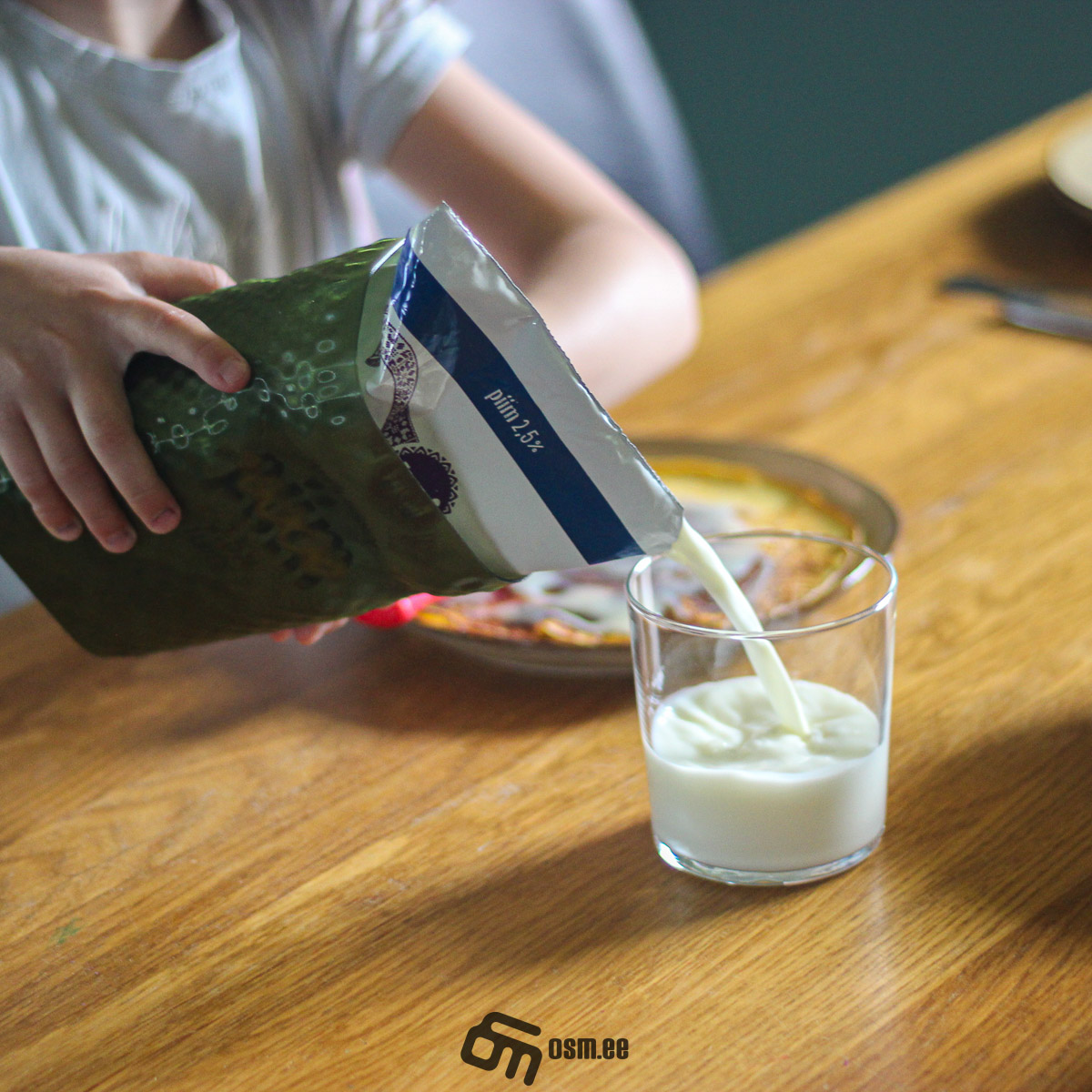
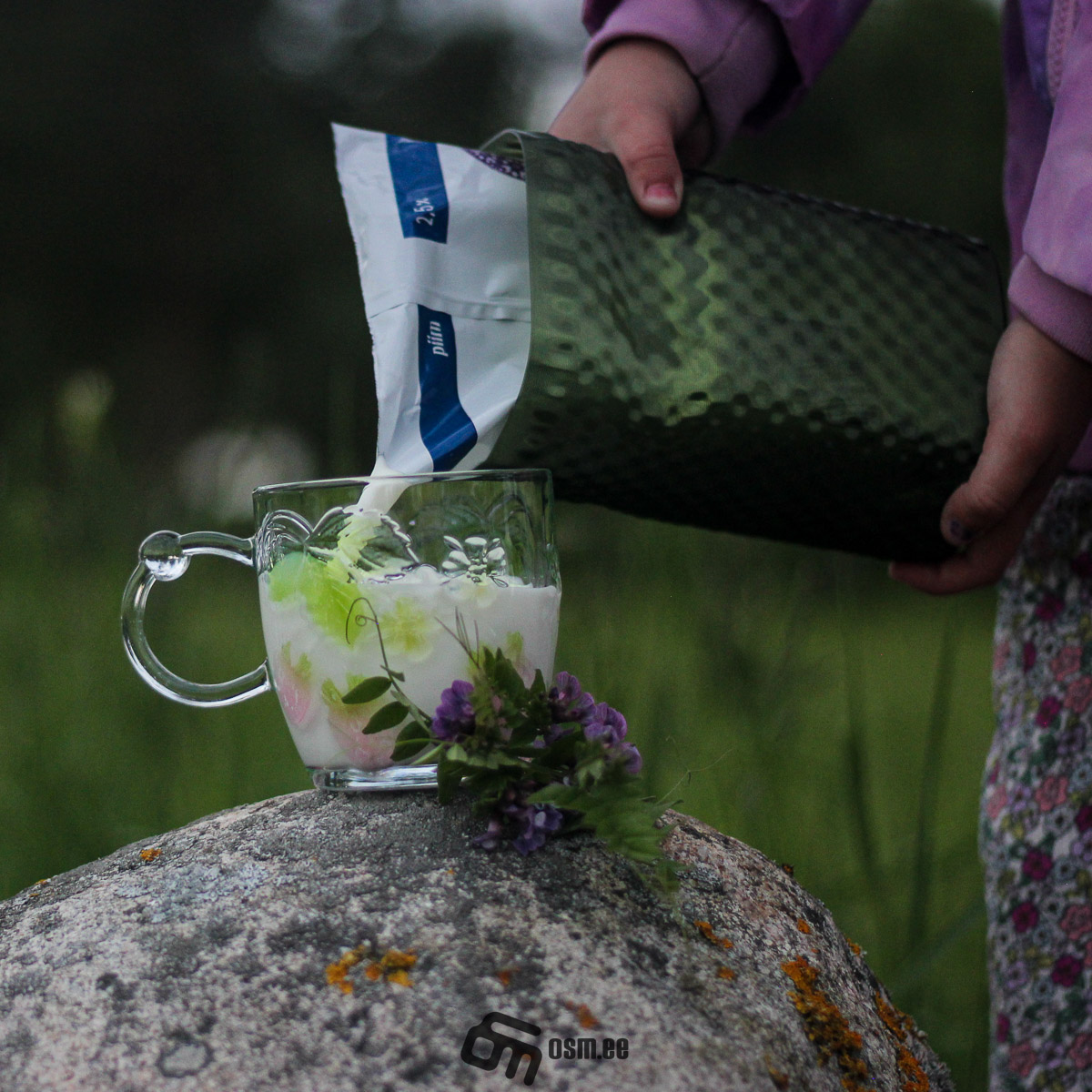
It does not matter which side the pouch is cut open, thanks to the symmetrical and well-thought-out geometry, the holder can be comfortably gripped and used from either side. The universal dimensions fit standard 1 litre milk, kefir, and yogurt pouches, as well as 500 gram sour cream pouches. - Ergonomics
A heavy emphasis is placed on ergonomics in both products. A dedicated gripping area combined with a textured surface ensures a secure hold and prevents the product from slipping out of hand, even when hands are wet from kitchen tasks. The handle and structure of the sour cream holder allow the product to be lifted comfortably and securely from either the sides or the top. - Structural/Technical Solution and Production Optimization
While 3D printing layer lines are typically hidden or sanded down, this product integrates them directly into the visual design. The item emerges from the production cycle without any need for post-processing or finishing. - Eco-Friendliness and Sustainability in Material Use
The product delivers a twofold positive environmental impact:
1) At the production level: Manufacturing takes place locally and is entirely made-to-order. This eliminates international transport chains, removes the need for large warehouse inventories, and reduces material waste to virtually zero.
2) At the consumer level: The product encourages consumers to choose pouch packaging. From an environmental standpoint, plastic pouches are significantly more sustainable than Tetra Pak or Pure-Pak, their production and transport generate a smaller carbon footprint, and recycling thin plastic film is cleaner and easier. - Aesthetics
Unlike the bulky, awkward bulky plastic containers currently available on the market, this product family features a minimalist, modern, and clean design language. Thanks to the textured surface and sleek contours, the holder does not feel like a cheap plastic utility item, but rather a beautiful design piece that users will proudly leave on the table when serving breakfast. - Innovation and Market Potential
The product’s commercial viability has already been proven in practice, the items are live on the market and achieved immediate sales success. Its business potential relies on a very clear, massive, and geographically focused target audience:
1) The Unique Baltic Niche: Pouch-packaged milk and sour cream are specific characteristics of Baltic (and partially Eastern European) packaging culture. The Western European design market offers no solutions to this problem, giving this product a strong competitive edge in the region.
2) Mass Target Audience: According to Statistics Estonia, there are over 560,000 households in the country. Dairy products (milk, sour cream, kefir, yogurt) are staples in the daily basket of Estonian families, with over 90% of households consuming fresh dairy regularly. Since pouch packaging remains consistently the most affordable choice, the potential market in Estonia alone spans hundreds of thousands of homes, not to mention the expansion potential into Latvia and Lithuania.
The innovation lies in solving a simple, region-specific everyday problem in a way that seamlessly combines manufacturing efficiency, affordability, and visual beauty.